
Kenworth Air Ride Troubleshooting: Cab Bounce, Vibration, and Suspension Problems

Cab bounce, harsh impacts, and air leaks make long hauls miserable. If you drive a Kenworth W900, T800, T600, or T660, your first step is pinpointing which system is actually acting up.
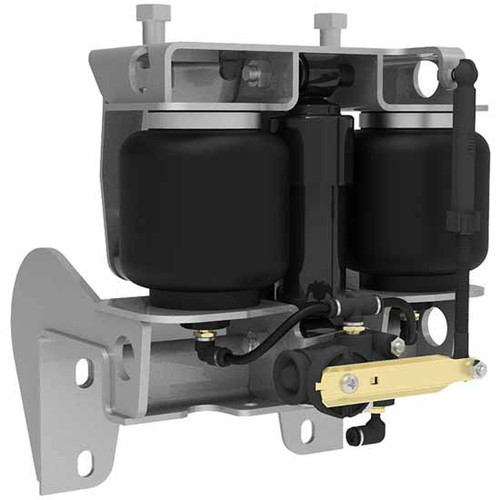
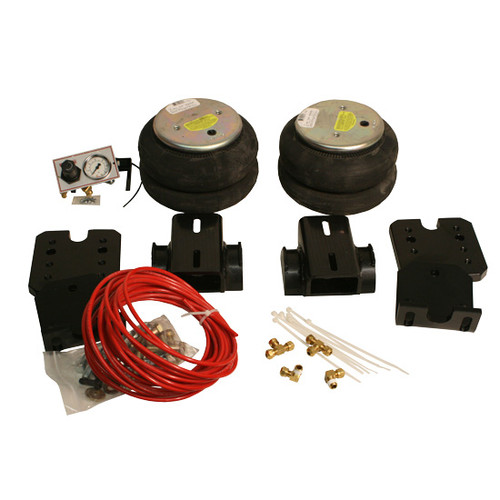
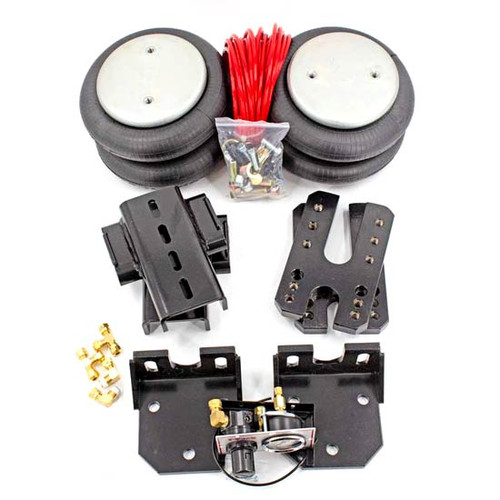
Your cab, steer axle, rear axle, and seat each control a different piece of your ride comfort. Fixing a blown cab shock takes a different approach than chasing a leaking rear air spring or an overloaded front end.
Pinpoint Where the Bounce or Vibration Starts
Pay attention to when the truck moves and where you feel the hardest hit:
- Cab keeps bouncing after a bump: Check your cab shocks, mounts, and suspension travel.
- Cab sways side-to-side: Inspect your lateral-control bushings and mounting hardware.
- Cab sits low: Check cab air springs, supply lines, and the height-control linkage.
- Harsh hits up front: Inspect your steer-axle suspension.
- Seat bounces more than the cab: Troubleshoot your seat suspension separately.
Quick System Breakdown: Cab vs. Axles vs. Seat
| System | What It Does | Where to Look First |
|---|---|---|
| Cab air suspension | Cushions the cab from the frame | Cab bags, shocks, leveling valve, mounts, lateral-control rod |
| Steer-axle suspension | Carries the front end and absorbs road hits | Leaf springs, shocks, bushings, air-assist parts, hardware |
| Rear axle air suspension | Supports rear loads and holds ride height | Air springs, leveling controls, torque rods, bushings, dump valves |
| Seat suspension | Cushions you from the cab floor | Seat air supply, height controls, dampers, mounting bolts |
Kenworth AirGlide systems such as AG100, AG200, AG400, and AG400L are rear-axle systems. Confirm the exact suspension model under your frame before ordering parts.
How Your Air Supply and Controls Work Together
Your compressor builds air and stores it in the reservoirs, while pressure-protection valves guard your brake air if a suspension line blows. From there:
- Air springs: Carry the weight.
- Height-control valves: Take in or exhaust air to maintain static ride height.
- Torque rods: Keep the rear axles properly positioned under the frame.
- Dump valves: Exhaust suspension air when you flip the switch.
Inside Your Cab Suspension
Every part of your cab suspension has a specific job. Replacing air bags alone will not correct worn shocks or loose bushings.
- Air springs: Hold up the cab and cushion road shock.
- Shock absorbers: Stop the cab from bouncing repeatedly.
- Height-control valve: Maintains cab ride height.
- Height-control linkage: Tells the valve when the cab moves up or down.
- Lateral-control rod & bushings: Keep the cab from shifting sideways.
Troubleshooting Specific Cab Issues
Cab Keeps Bouncing: Check Shocks and Mounts
If your cab keeps oscillating after you hit a bump, look at your cab shocks and mounts first. Check for blown shocks, rotted bushings, loose bolts, or anything binding suspension travel. Inspect the front cab mounts and exhaust piping for interference. Replace worn components, or consider a complete OPP/Cabmate assembly if the entire setup needs replacement.
Cab Sits Low or Loses Air: Check Bags, Lines, and Leveling Controls
A sagging cab points toward an air-supply or leveling problem. Work through the system in order:
- Air springs: Look for dry rot, punctures, or leaks.
- Lines and fittings: Spray soapy water on tubing and push-to-connect fittings.
- Leveling linkage: Check for bent, disconnected, or binding rods.
- Valve setup: Make sure the leveling valve is mounted and adjusted properly.
- Clearance: Confirm nothing physically blocks the cab from rising.
Measure ride height using the specifications for your exact cab suspension.
Rear AirGlide measurements do not apply to cab ride height.
If you run Haldex PR or PR Plus valves, check supply pressure, port routing, and linkage clearance.
Haldex allows a small amount of exhaust seepage, so a faint hiss does not automatically indicate a failed valve.
Cab Sways Sideways: Inspect Bushings and Lateral-Control Rods
Excessive cab sway points toward the lateral-control bushings, rod, brackets, and attachment hardware. Separate cab sway from the entire truck leaning.
A heavy logging truck leaning hard enough to rub tires on fenders needs a full chassis, load-distribution, and axle-suspension inspection.
Don't Overlook Rear Suspension Faults
Sometimes a cab complaint actually starts at the drive axles. Use this table to trace common rear AirGlide problems:
| Symptom | Where to Look |
|---|---|
| Air bags won't inflate | Supply pressure, pinched lines, valve ports, or a stuck dump signal |
| Slow inflation under load | Air-flow restrictions, small leaks, or sluggish leveling valves |
| Uneven ride height | Leveling-linkage adjustment, uneven cargo, or bent hardware |
| Rough ride or bouncing | Wrong ride height, blown shocks, bad bags, or worn frame mounts |
| Vibration or axle-hop | Separate driveline vibration from true suspension bounce |
| Premature tire wear | Tire pressure, alignment, worn bushings, or loose torque rods |
Real-World Troubleshooting Scenarios
- 2005 W900, uneven passenger-side inflation: Measure ride height on both sides and check how your leveling valves are plumbed before replacing parts.
- 1999 W900L, takes 10 minutes to air up after loading: Test air-supply pressure and flow rate under load.
- W900B logging truck, heavy leaning: Separate cab sway from full-chassis lean and check load balance.
- 2009 W900L, harsh ride after a suspension rebuild: Double-check static ride height, part numbers, and installation alignment.
Air Bags Won't Dump? Run This Check
First, confirm whether you're troubleshooting the rear suspension dump circuit or a separate cab-dump setup.
Next, identify how the valve operates.
Some pilot-operated dump valves exhaust when pilot pressure is applied, while others exhaust when pressure is removed.
- Map the plumbing: Trace supply, delivery, pilot, and exhaust ports so you know what signal triggers a dump.
- Check the command: Test whether pilot pressure changes when you flip the switch. If nothing changes, trace upstream to the dash switch, control line, or electric-over-air solenoid.
- Check the valve response: If the correct signal reaches the valve but the bags stay full, inspect the valve for internal blockages, plugged exhaust ports, or damaged fittings.
Replacement Kits & Suspension Upgrades
Once you've pinpointed the failed component, match the repair or upgrade to your exact truck configuration.
1. OPP / Cabmate Cab Suspension Kits
Don't order a cab kit based solely on W900, T800, or T660. Link builds different Cabmate assemblies based on crossmember style, unified cab/sleeper layout, and sleeper build date.
Match the OEM assembly number behind the OPP SKU before buying.
| Kit | Best For | Fitment Notes |
|---|---|---|
| OPP Air Suspension System 02-0950003 |
Standard-duty rear cab crossmembers | Includes air springs, tuned shock, leveling controls, lateral-control rod, and brackets. |
| OPP Air Suspension System 02-0950004 |
Severe-duty rear cab crossmembers | Built for heavy-duty crossmember setups. Verify the OEM part number first. |
2. Gen III Steer-Axle Air-Ride Upgrade
If harsh front-end impacts are beating you up, look into the Twelve Gauge Gen III kit for compatible Kenworth W900 and Peterbilt applications.
The kit adds air bags, mounts, valves, air lines, and a four-shock setup to cushion the steer axle.
This is an air-assist upgrade, not a complete leaf-spring delete, and it will not correct driveline vibration. Verify the W900 model-year cutoff before ordering.
3. Load-Share Kits for Heavy Vocational Equipment
Running a snow-plow wing or uneven vocational equipment that causes frame sag?
Load-Share kits place auxiliary air bellows between the suspension and frame and allow separate side-to-side air pressures to help level uneven loads.
| Kit | Best For | Fitment Notes |
|---|---|---|
| Single Side Air Ride Kit 11.5" offset |
Custom offset clearance setups | Does not automatically fit older W900, T800, T600, or T660 models. Measure frame clearance first. |
| Snow Plow Single Side Double-Bellow Kit | Heavy wing plows and equipment loads | Verify approved plow-mount compatibility before installation. |
| Single Side Load-Share Kit | General uneven side-to-side loads | Best when matched to your specific axle and spring measurements. |
Elite Truck Accessories Suspension Replacement Parts
Shop for collision-repair components and aftermarket suspension parts in the Dallas area.
Recent Posts
-
The Truth Behind Retro Dashboard Conversion for Peterbilt Trucks
 If you thought semi truck day cab conversions were tricky, just wait. Retro front dash conversion k …Nov 25th 2026
-
7 Step Box Installation Mistakes & How to Avoid Them
 In this post, we'll cover 7 common step box installation mistakes that we've noticed over the years. …Nov 6th 2026
-
Semi Truck Day Cab Conversion Guide
 Here's a complete guide on semi truck day cab conversions for standard Class 8 truck models. Key Ta …Nov 2nd 2026
-
Semi Truck Crossmember Replacement & Fitment Guide
 Semi truck crossmembers are metal beams that connect the two frame rails together to stabilize the f …Oct 22nd 2026
-
How to Source the Right Replacement Part After a Collision
Sourcing the right aftermarket post-collision replacement parts depends on how extensive the damage …Sep 22nd 2026 -
Post-Wreck Semi Truck Parts: Navigating Texas Repair & TxDOT Compliance
Here’s a simplified breakdown on post-collision compliance for semi truck owners in the Dallas Fort- …Sep 15th 2026 -
The Hidden Damage You Don't See After a Semi Truck Collision
When a loaded Class 8 tractor-trailer is involved in a collision, impact forces often extend beyond …Aug 31st 2026 -
Semi Truck Hood Damage: When to Repair vs. Replace
 A damaged semi-truck hood immediately halts your revenue stream, forcing a critical decision between …Aug 24th 2026
-
Semi Truck Front-End Collision Damage: Parts Replacement Guide
 If you’re looking for replacement truck parts after a front-end collision, here’s a helpful guide on …Aug 17th 2026